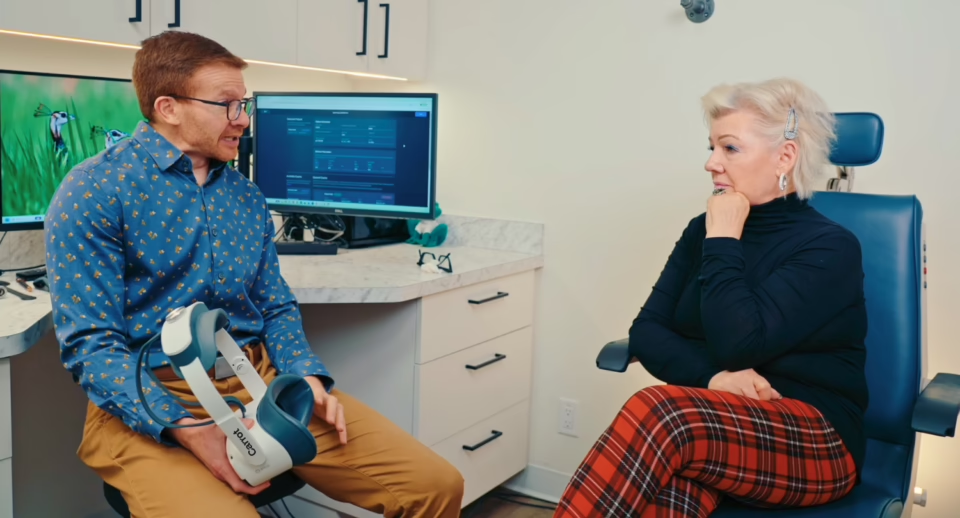
For today’s quality-care-savvy patients, quality eye care is more than just clinical excellence. Rather, it hinges on effective patient education and communication. Thoroughly educating patients ensures not only optimal treatment outcomes but also fosters trust and long-term engagement with their eye health needs. This article explores key strategies for effective communicaiton in eye care and offer guidance for how to deliver paramount care through clear, empathetic communications.
The Foundation of Paramount Eye Care: Active Listening
At the core of quality eye care is the provider’s ability to listen actively. Eye care professionals who prioritize understanding their patients’ vision concerns create a collaborative environment where education can thrive. By genuinely hearing patients’ stories and expectations, optometrists and ophthalmologists tailor their communication to address individual needs, reinforcing a strong patient-provider partnership.
Incorporating roles like lifestyle coordinators, elevates patient experience in eye care clinics. These coordinators provide continuous, personalized support from check-in to check-out, ensuring patients feel welcomed, informed, and cared for throughout their visit.
Empowering Patients: The Heart of Patient-Centric Eye Care
Empowering patients through education is a hallmark of empathetic eye care. Providing patients with comprehensive, accessible information helps them become active participants in their vision health.
Resources like Dr.Constance Okeke’s The Glaucoma Guide Book illustrate the power of accessible education materials to support patient advocacy and improve treatment compliance.

Overcoming Patient Recall Challenges in Your Practice
One of the greatest barriers to effective patient education is retention — studies show patients typically remember only about half of what they are told during visits. This gap highlights the need for repeated reinforcement of key information.
Dr. Lam shares her practice of providing patients with summary sheets and follow-up quizzes to improve recall, a simple yet powerful approach in delivering exceptional eye care. These tools clarify complex instructions and encourage patient engagement, enhancing treatment success.
Melissa Williams, a patient experience expert, also stresses the importance of clear, jargon-free language paired with visual aids. Tailoring communication to the patient’s literacy level and cultural background is critical in achieving the highest standards of high-quality eye care.
Cultural Sensitivity: Essential for Patient-Centric Eye Care
Delivering exceptional eye care means respecting and adapting to cultural differences that impact patient understanding. Utilizing multilingual resources and culturally sensitive educational materials ensures that care is accessible and effective for all patient populations.
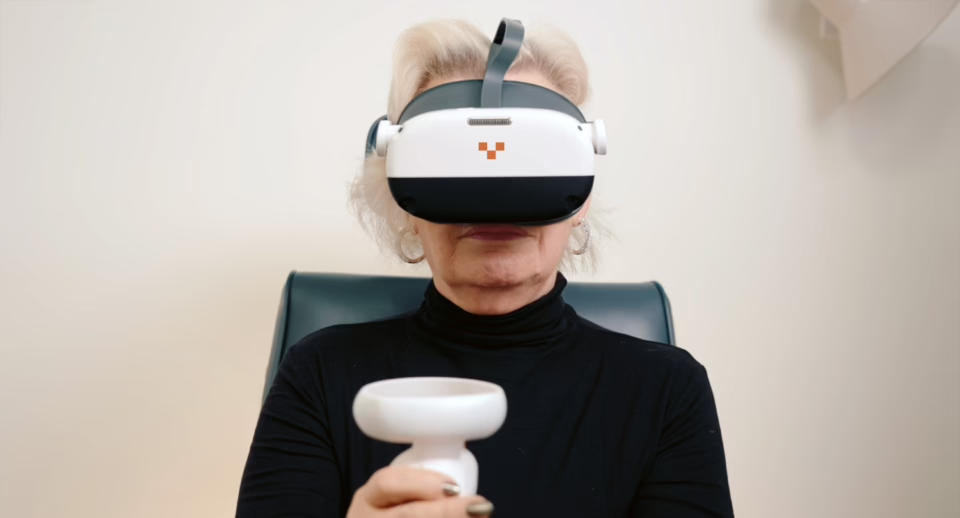
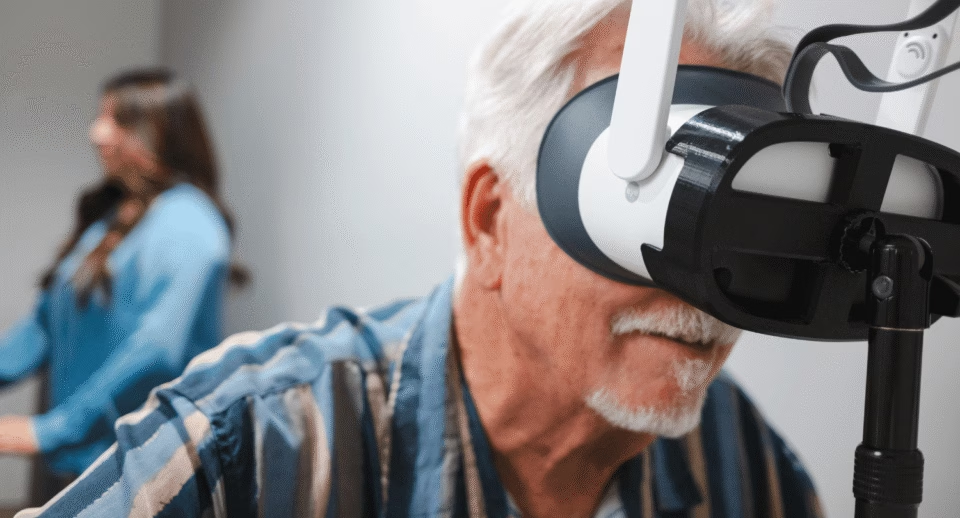
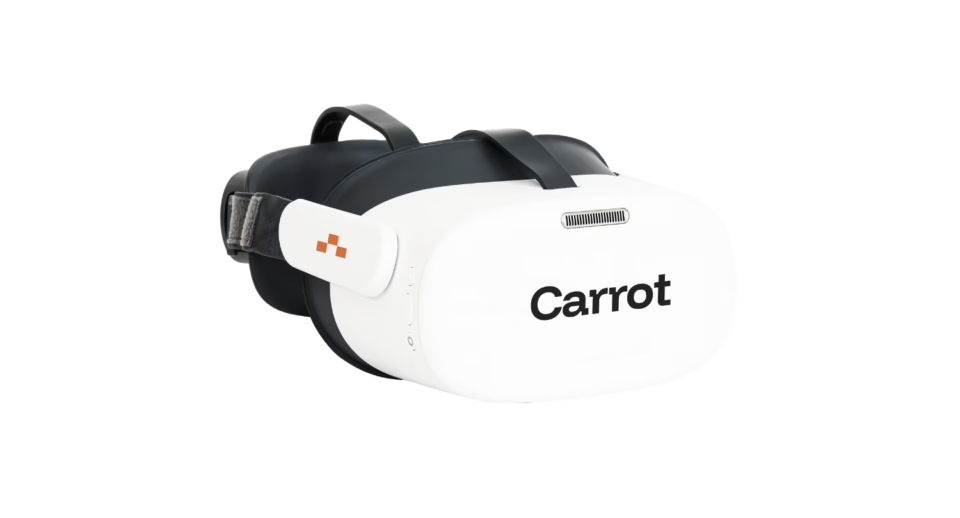
Innovative tools like the Carrot Visual Diagostics Platform, which offers instructions in over 40 languages, exemplify how technology supports inclusive eye care by bridging language gaps and improving patient comprehension.
Conclusion: Elevating Eye Care Through Education
Paramount eye care relies on a comprehensive approach to patient education, and one that integrates active listening, clear and empathetic communication, patient empowerment, and cultural sensitivity. Eye care professionals dedicated to refining these skills can significantly improve patient satisfaction, adherence to treatment plans, and ultimately, visual outcomes.
By embracing these strategies, providers uphold the highest standard of care, ensuring that every patient’s vision health journey is supported with clarity, compassion, and excellence.